Regional food and famous sweets of Hiroshima
Seto Inland Sea ingredients, substantial savory dishes, and sweets closely associated with Miyajima.
Hiroshima is part of the Chugoku region. This page lists the guides currently available in English.
22 guides in English
- Bihoku Wani Cuisine
In Bihoku, wani means shark rather than crocodile. Miyoshi and Shobara serve it as sashimi, blanched fish, simmered dishes, grills and fries.
- CAVIEL SAND
CAVIEL SAND is a modern gift sweet produced by JEWELRy ITO, a Hiroshima jewelry shop founded in 1977, and assembled immediately before eating; it is...
- Chichi Dango: Izumi Kogado's Shobara Milk Confection
C
- Chisha-momi (Chisha Namasu)
Chisha-momi is a Chugoku-Shikoku home dish of leaf lettuce torn by hand, salted and massaged, rinsed and squeezed, then dressed with vinegar, miso or...
- Fukuyama Uzumi
Fukuyama uzumi places simmered tofu, taro, mushrooms, burdock and sometimes sea bream, shrimp or seasonal matsutake beneath a cap of white rice.
- Hiroshima Azuma-zushi
Azuma-zushi places vinegar-cured mamakari or gizzard shad over small hand-shaped portions of okara fried and seasoned with vinegar, sugar and salt.
- Hiroshima Cavia Financier with Caviar Salt and Miyajima Honey
Cavia Financier is an original baked sweet from Hiroshima jewelry shop JEWELRy ITO. It combines salt made with Heike caviar from Shiiba, Miyazaki...
- Hiroshima Jewel Sand in Twelve Birthstone Colors
Jewel Sand is a modern gift sweet from JEWELRy ITO, a Hiroshima jewelry shop founded in 1977. Its twelve colors and flavors evoke the birthstones for...
- Hiroshima Ko-iwashi Cuisine: Anchovy Sashimi and Tempura
I
- Hiroshima Miyajima Anago Meshi
Anago meshi lays sauce-glazed grilled sea conger across rice flavored with stock from the fish's heads and bones or with its tare around...
- Hiroshima Nigome
Hiroshima nigome simmers adzuki with small cubes of daikon, carrot, burdock, lotus root, taro, shiitake, konnyaku and fried tofu.
- Hiroshima Okonomiyaki (Layered Style)
Hiroshima okonomiyaki layers a thin crepe, fish powder, a large mound of cabbage, bean sprouts and pork, then combines them with separately cooked...
- Hiroshima Oyster Dote-nabe: Miso-Rim Hot Pot
K
- Hiroshima Toyoka
Toyoka wraps a Yamadaya blend of smooth and chunky adzuki paste in a thin baked mochi-flour dough with a distinctly moist, chewy bite.
- Hiroshimana-zuke: Hiroshima Leaf-Mustard Pickles
Hiroshimana-zuke is a Hiroshima pickle made from the broad leaves and thick stems of the Hiroshima-na vegetable. Young pickles retain a vivid green...
- Kaku-zushi of Western Hiroshima and Geihoku
Kaku-zushi presses vinegared rice and simmered fillings in a square wooden mold, decorating the top with egg, shiitake, fish, denbu and seasonal...
- Kameya Kawadori Mochi
Kawadori Mochi is Kameya's Hiroshima confection: small pieces of soft gyuhi mixed with walnut and dusted with fragrant roasted soybean flour.
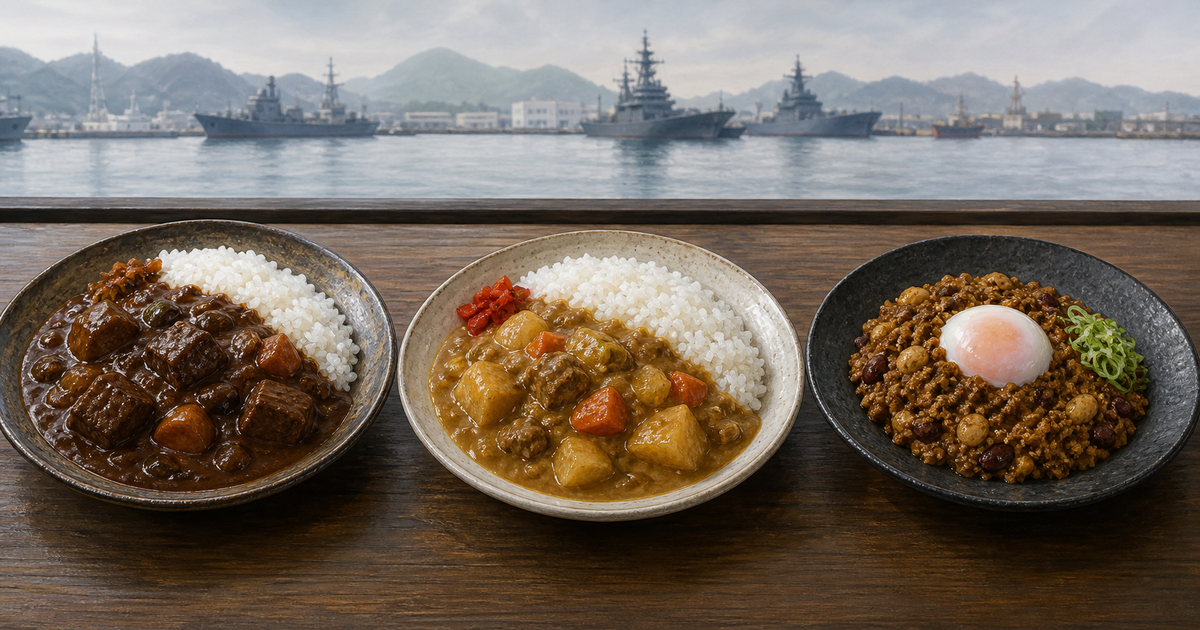
- Kure Kaiji Curry by Ship and Unit
Kure Kaiji Curry is a city program in which approved Kure restaurants reproduce curry recipes from individual Japan Maritime Self-Defense Force ships...
- Miyajima Momiji Manju: Maple-Leaf Castella Cakes
Momiji manju is a maple-leaf-shaped castella cake filled traditionally with smooth azuki paste. It originated on Miyajima and is now made by many...
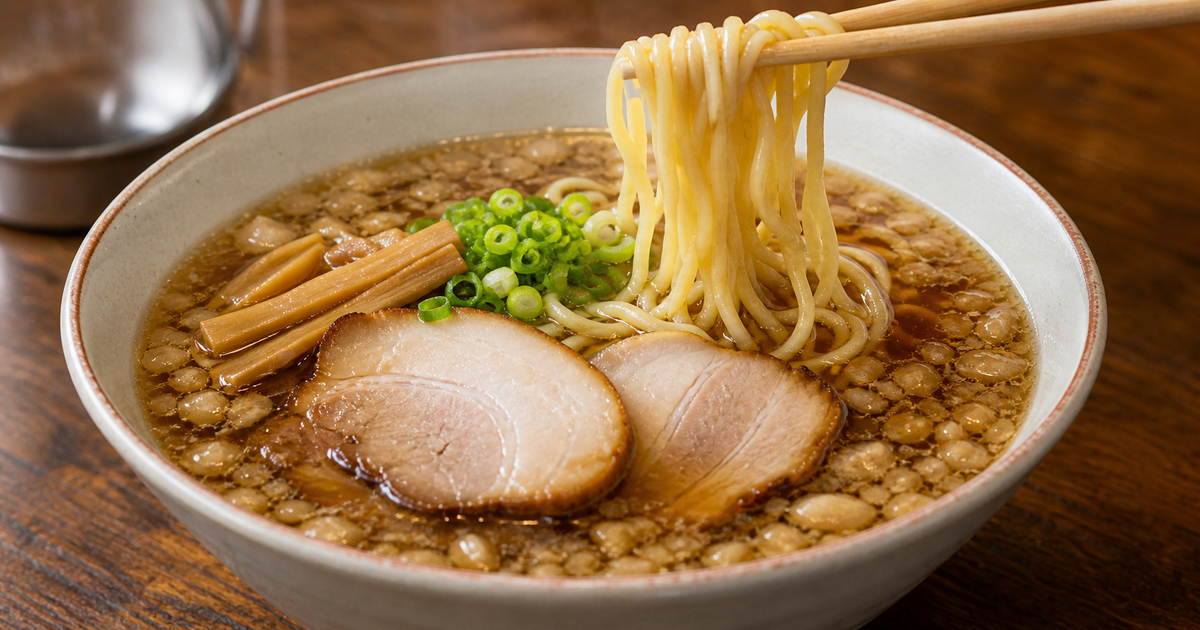
- Onomichi Ramen
Onomichi ramen combines firm flat medium-thin noodles with clear soy broth based on chicken and Seto small fish, topped with distinct pieces of pork...
- Saijo Bishunabe
Bishunabe cooks chicken, pork, gizzard, tofu products, konnyaku and vegetables with Saijo sake, salt and pepper.
- Setouchi Suigun Nabe with Octopus and a Barley-Rice Finish
Suigun nabe is a generous hot pot of Setouchi octopus, fish, shrimp, shellfish and seaweed. It is presented across the Geiyo Islands around Innoshima...