Regional food and famous sweets of Wakayama
The Kii Peninsula's mountains and coast support citrus, ume plums, fermented seasonings, preserved sushi, and pilgrimage food.
Wakayama is part of the Kansai region. This page lists the guides currently available in English.
10 guides in English
- Kinzanji Miso
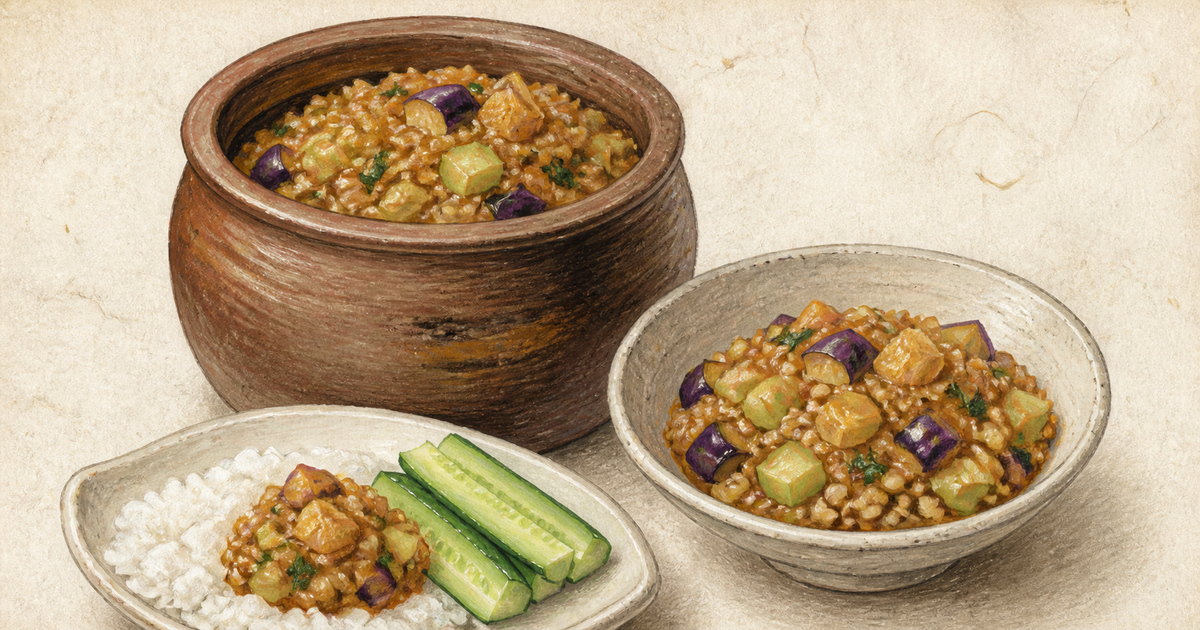
Kinzanji miso ferments rice, barley and soybean koji with salt and vegetables such as melon, eggplant, ginger and shiso. Visible grains and vegetable...
- Kishu Umeboshi
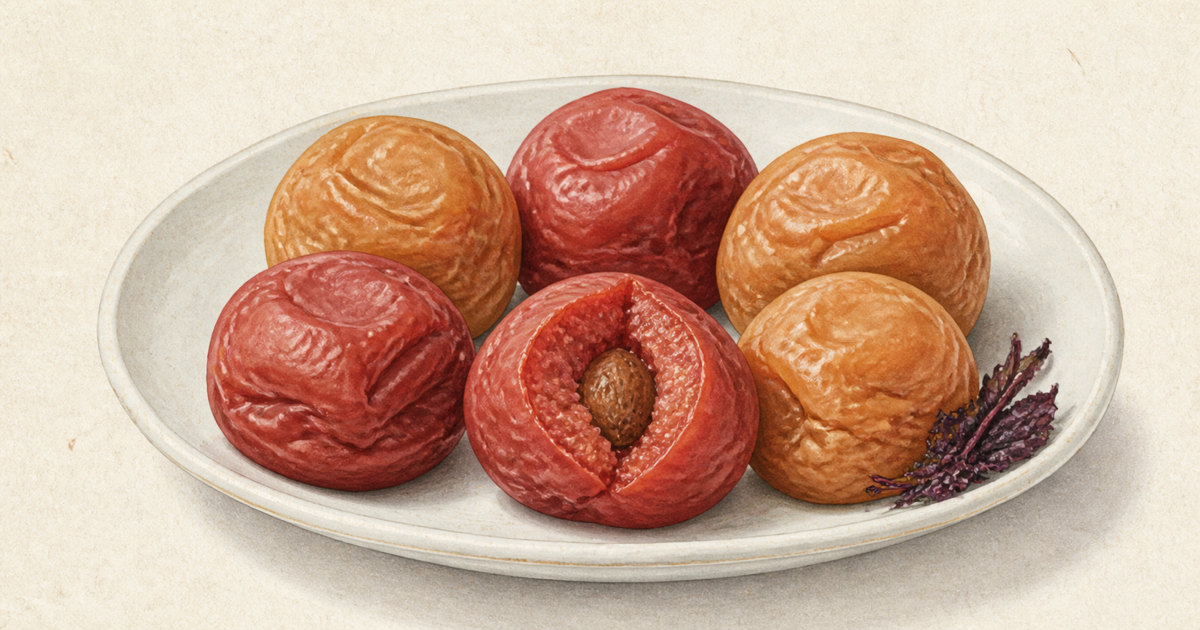
Kishu umeboshi preserve Wakayama-grown ume with salt and sun-drying. Large Nanko ume, prized for thick flesh and thin skin, are especially closely...
- Kue Nabe from Hidaka, Wakayama
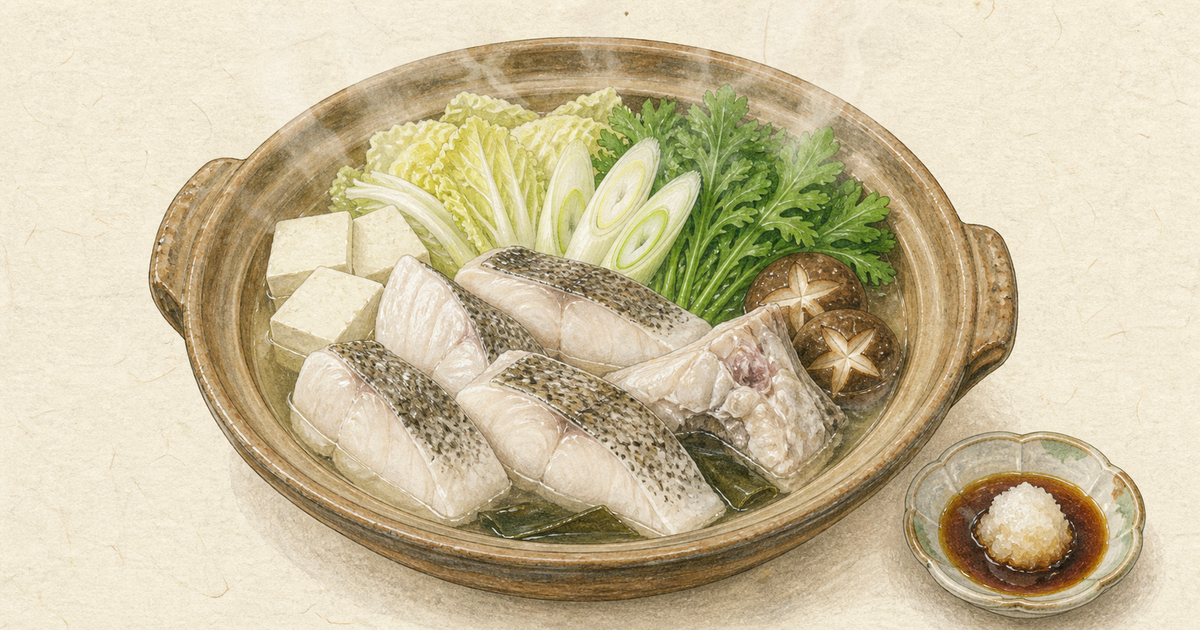
Kue nabe simmers thick cuts, skin and bony parts of longtooth grouper with vegetables and tofu. Wakayama's Hidaka area is especially associated with...
- Shingu Suzuyaki
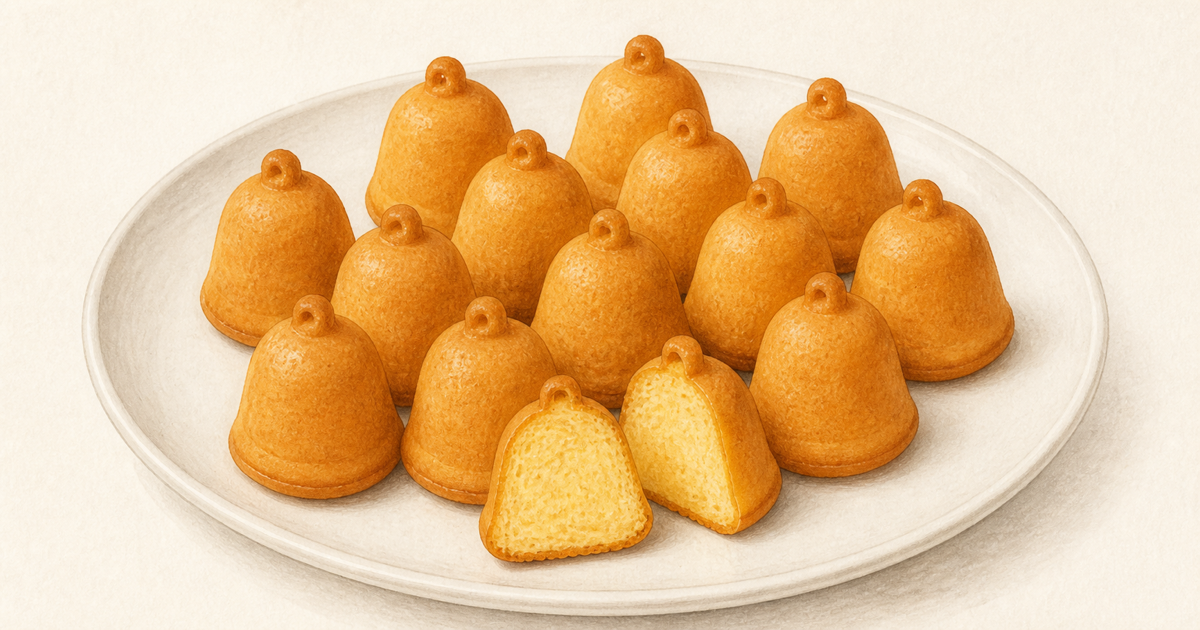
Suzuyaki are Kobaido's tiny bell-shaped cakes from Shingu, Wakayama. Egg, butter, sugar, and related ingredients make a golden castella-like cake with...
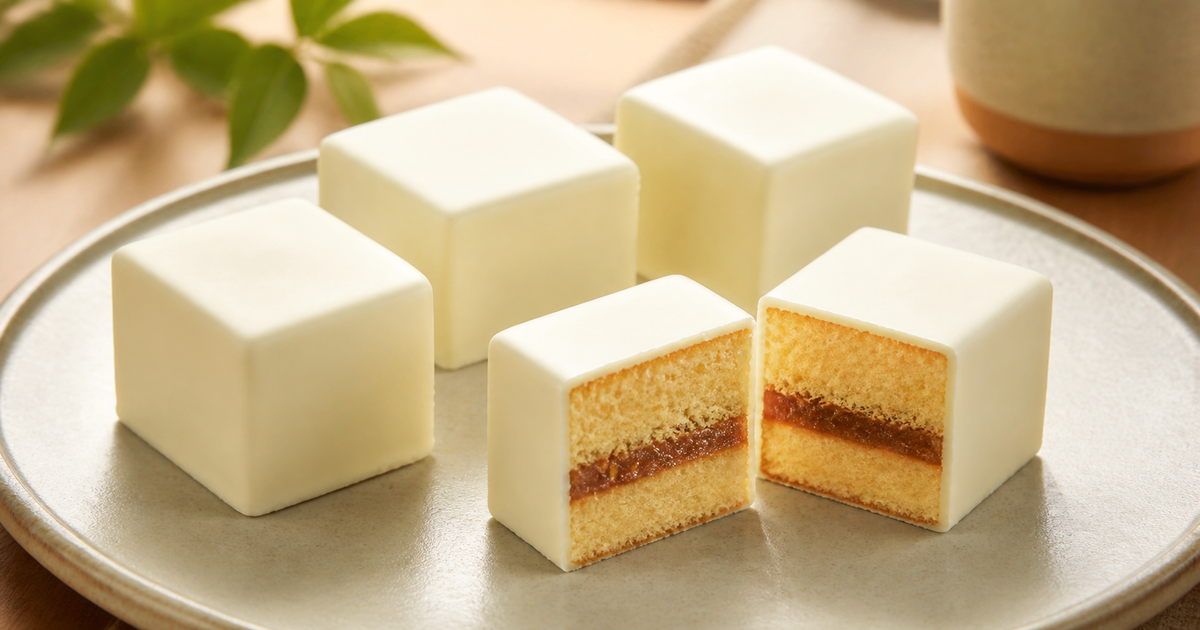
- Tanabe Deluxe Cake
Deluxe Cake sandwiches Suzumeya's special white-bean-based jam between dense castella-like layers and coats the square piece completely in pale white...
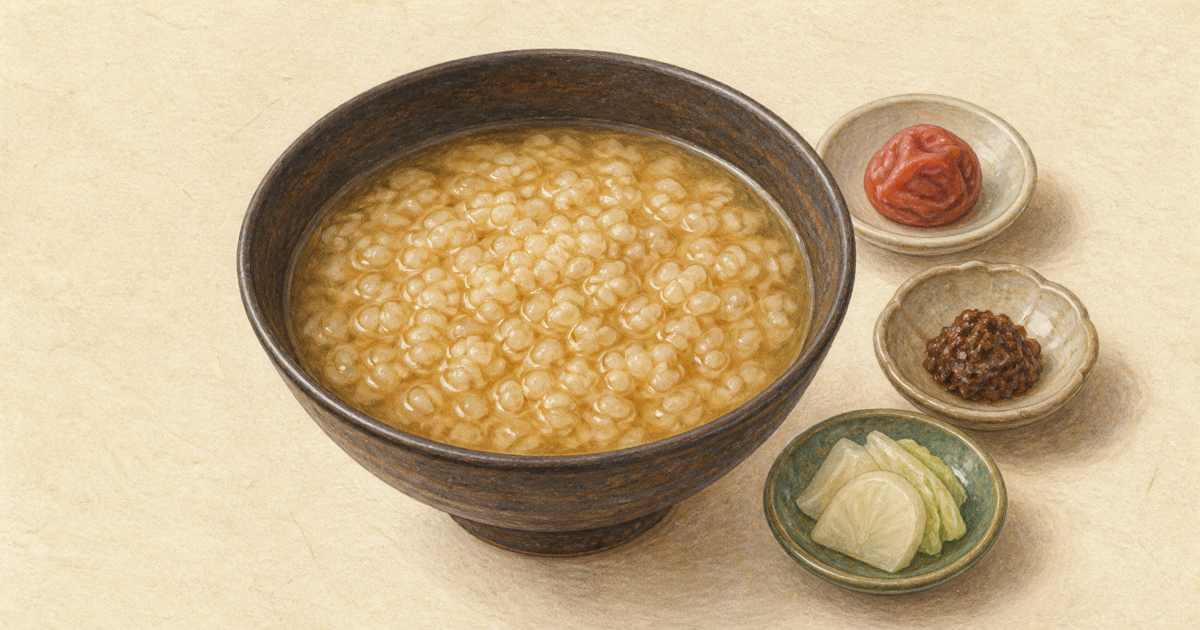
- Wakayama Chagayu
Wakayama chagayu cooks raw rice in lightly brewed bancha or hojicha. Called okai-san or okae-san with affection, it was an everyday staple distinct...
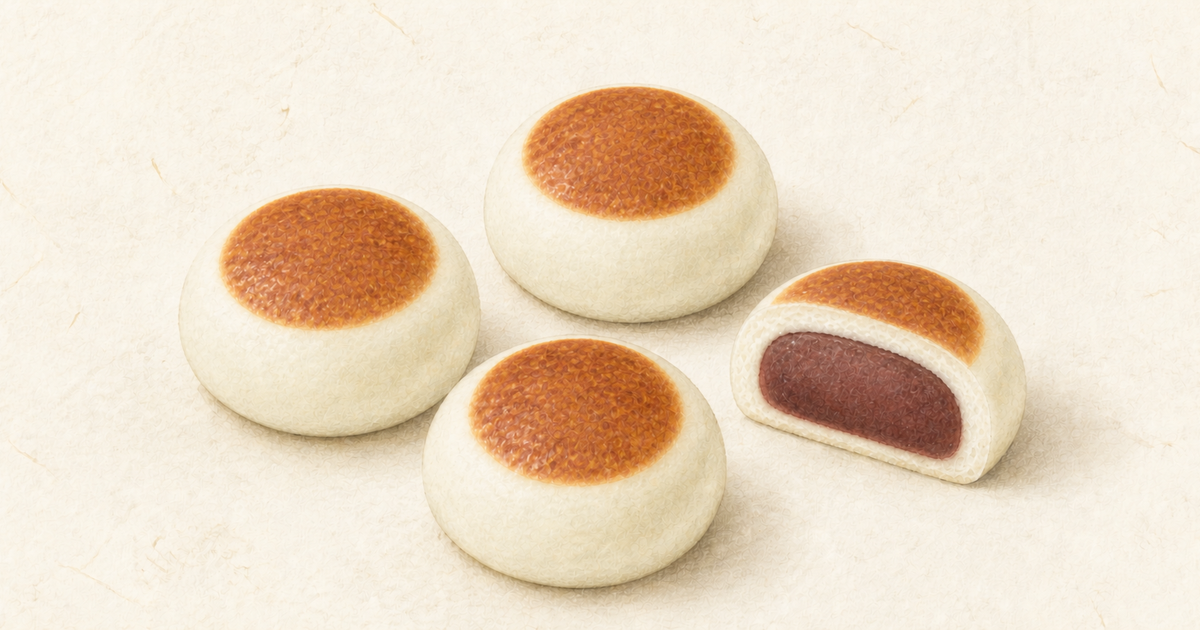
- Wakayama Honnoji Manju
Honnoji Manju is Souhonke Surugaya's small white sake manju, with smooth red-bean paste wrapped in fermented steamed dough and the distinctive hon...
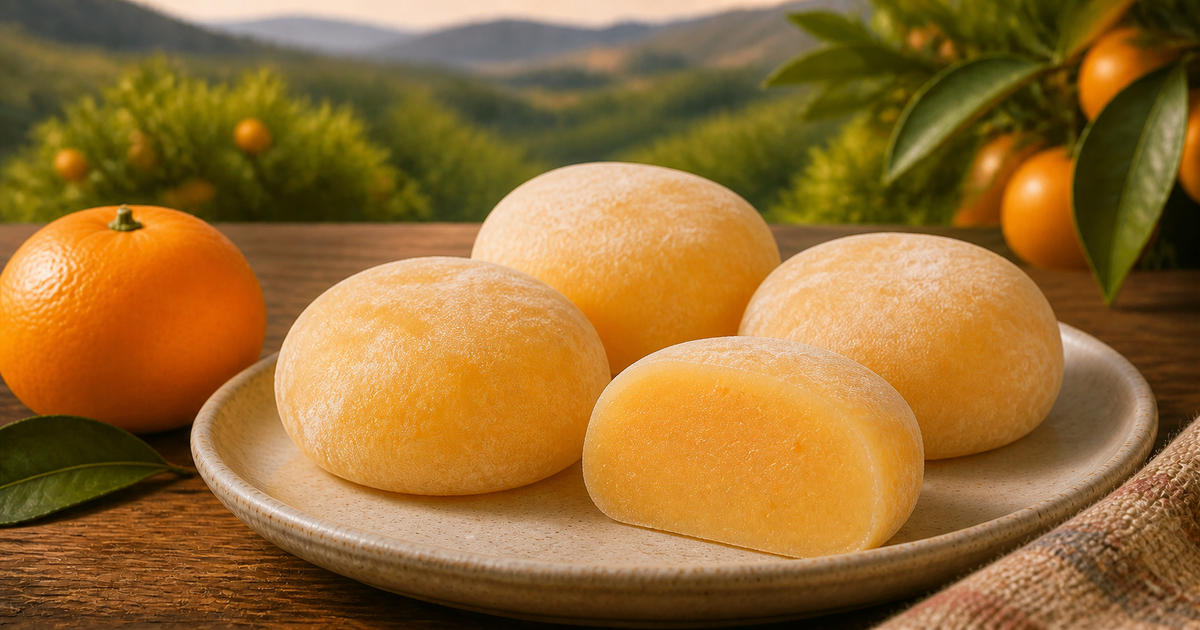
- Wakayama Mikan Mochi
Mikan mochi steams glutinous rice with whole satsuma mandarins, removes the cooked peel, then pounds the fruit flesh, rice and sugar together...
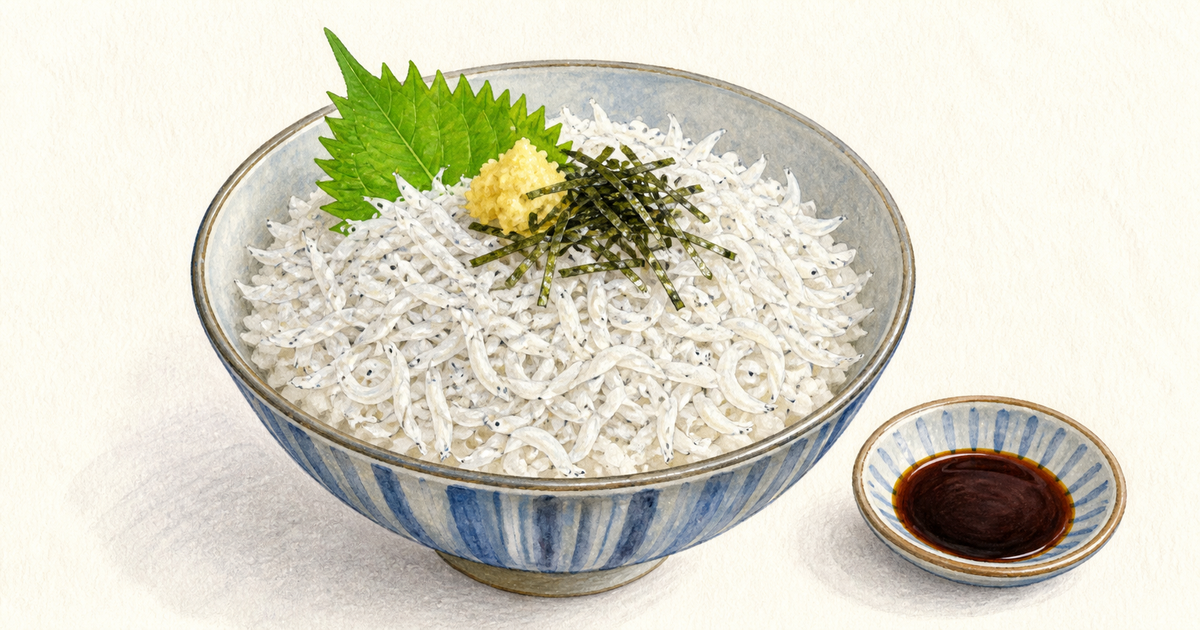
- Wakayama Shirasu-don, Whitebait over Rice
Wakayama shirasu-don is rice topped generously with local whitebait. Most bowls use fluffy kamaage shirasu, briefly blanched and lightly salted, while...
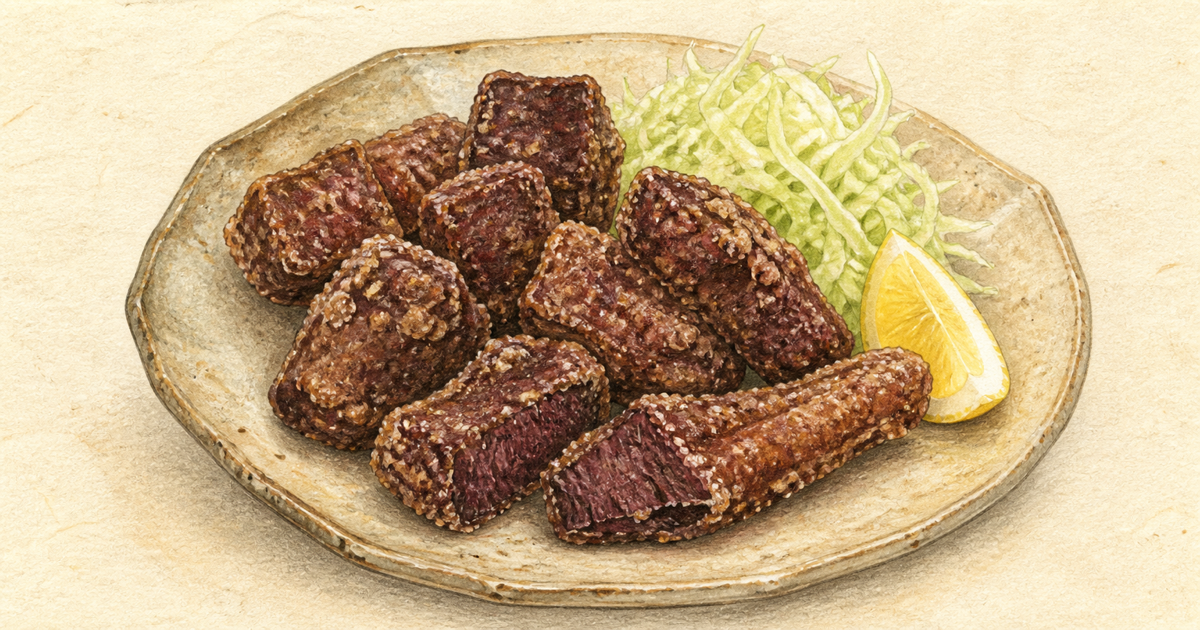
- Whale Tatsuta-age from Taiji
Whale tatsuta-age marinates whale meat in soy sauce, ginger and sake, coats it with potato starch and fries it. In Taiji, Wakayama, it belongs to a...